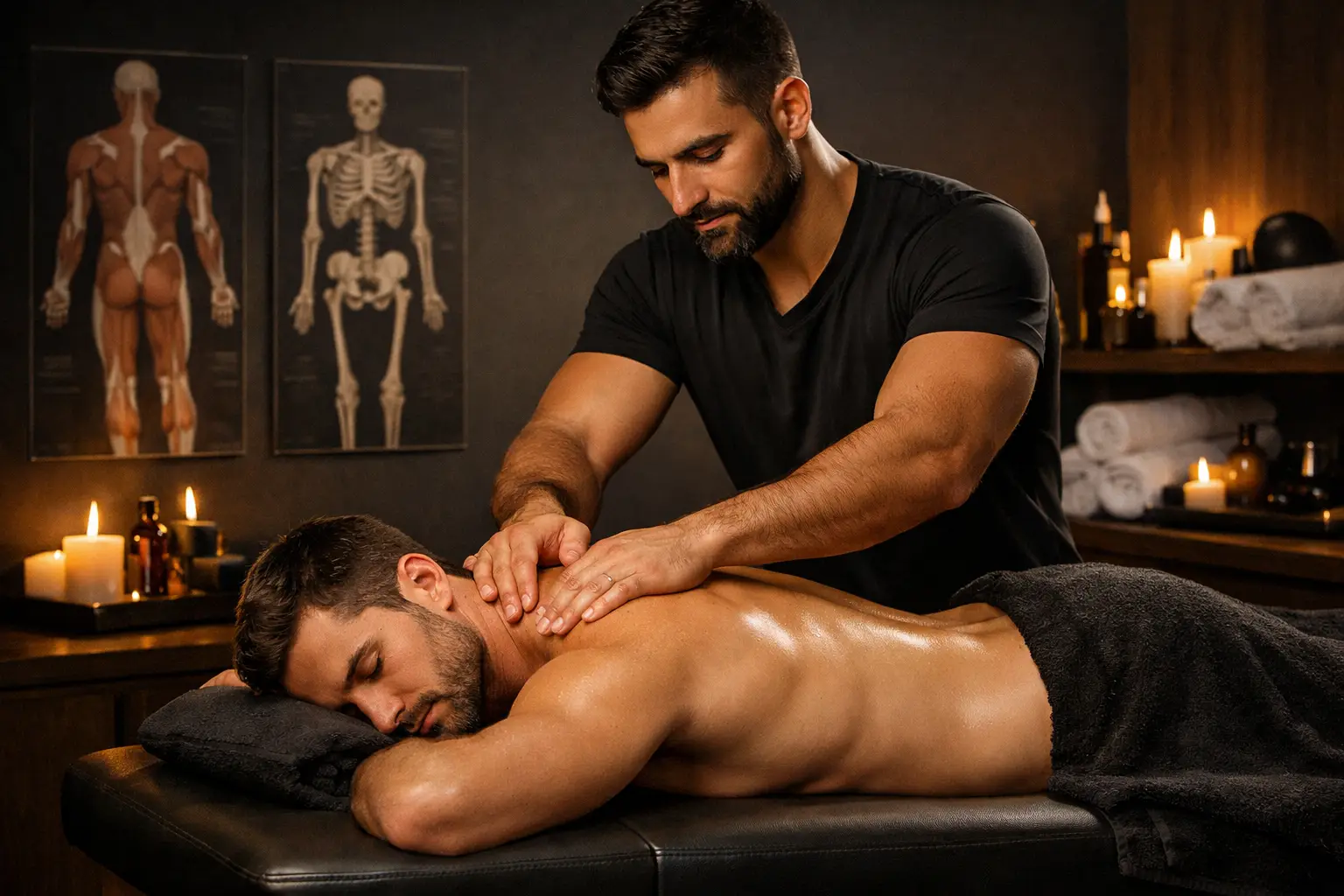
A stiff shoulder rarely stays only in the shoulder. It can become the reason you turn your whole body to look behind you, wake up with a tight jaw, or feel irritated before the day has properly begun. A massage for shoulder tension offers more than a temporary pause. With attentive pressure, warmth, and time to let the body settle, it can help restore a lighter, more natural feeling through the neck, upper back, and arms.
For many adults, tension builds quietly. Long hours at a laptop, travel with a heavy bag, stress held through the chest, demanding workouts, and even sleeping in an awkward position can leave the shoulders elevated and guarded. The body adapts, but it does not always release on its own.
Why the Shoulders Hold So Much Stress
The shoulders are where physical effort and emotional pressure often meet. When a deadline is close or a flight is delayed, many people unconsciously draw their shoulders toward their ears. Hold that position for hours or days and the muscles around the upper trapezius, shoulder blades, and neck can begin to feel dense, tender, or fatigued.
This pattern can also change how you move. You may avoid reaching overhead, feel discomfort when turning your head, or notice that one side seems tighter than the other. A good session does not force the body into release. It creates the conditions for it: steady contact, thoughtful pace, and pressure that responds to what the muscles are actually doing.
There is no single cause of shoulder tension, so there is no single perfect technique. Deep pressure can feel effective for some people, while another person needs slower, more soothing work before the muscles will soften. The most refined approach is personal rather than automatic.
What a Massage for Shoulder Tension Can Change
A focused shoulder massage can ease the feeling of heaviness across the upper back and help improve comfortable movement through the neck and shoulders. It may also reduce the urge to clench, brace, or constantly adjust your posture. The effect is often both physical and mental: as the shoulder area softens, breathing can feel less restricted and the mind has room to slow down.
The goal is not to chase pain. Intense pressure is not automatically better pressure. Muscles that have been tense for weeks may need calm, gradual attention rather than force. A skilled practitioner works through the surrounding areas as well, including the upper back, chest, arms, and scalp when appropriate. These areas are connected, and treating only the most painful spot can miss the wider pattern.
For visitors to Lisbon, this can be especially valuable after a long flight, days of walking on steep streets, or working remotely from a hotel room. For residents, it can become a considered reset between demanding weeks. The experience should feel unhurried, private, and tailored to your comfort from the first conversation to the final quiet minutes of the session.
The Right Pressure Is a Conversation
Clear communication is part of quality care. Before the massage begins, share where you feel tightness, whether one shoulder is more sensitive, and what kind of pressure you usually enjoy. Mention old injuries, recent strains, headaches, numbness, or any area you do not want touched.
During the session, feedback matters just as much. A simple request for lighter pressure, slower work, or more attention around the shoulder blades helps shape the experience. This is not an interruption. It is how a personalized massage becomes effective and comfortable.
At Ricardo Masseur, each adult session is offered by private appointment in Bairro Alto, with a respectful, discreet setting and clear boundaries. The atmosphere is intimate and elegant, with premium oils, candlelight, and the space to leave the outside world behind. Yet the purpose remains grounded: professional touch, honest communication, and a session designed around your needs.
Choosing the Session Length
When shoulder tension is recent and localized, a 60-minute massage can provide a meaningful reset. It allows enough time to work through the upper back, neck, and shoulders without rushing, while still leaving room for the nervous system to settle.
A 90-minute session is often the better choice when tension has spread into the lower back, arms, chest, or jaw. More time means the practitioner can work at a measured pace rather than concentrating pressure into one small area. This is particularly useful for people whose shoulders tighten again quickly after a short massage.
A 120-minute session suits those who want deep rest alongside focused muscular release. It creates room for a fuller experience, combining relaxing touch with attentive work on areas carrying persistent stress. Longer is not always necessary, but when your body feels overworked from travel, training, or prolonged stress, it can be the most generous option.
How to Make the Relief Last Longer
Massage can begin a release, but daily habits influence how long that feeling stays with you. There is no need for a strict wellness routine. Small choices after a session are often enough.
Drink water, eat something nourishing, and give yourself a quieter evening if possible. Avoid scheduling a demanding workout immediately afterward, especially if the shoulders were very sensitive. Gentle walking and easy movement usually feel better than complete stillness.
At work, notice the moments when your shoulders rise. Let your arms rest instead of hovering over the keyboard, change positions regularly, and take brief breaks from the screen. If you carry a bag on one side, alternate sides or reduce the weight. These details may sound ordinary, but they can prevent the body from returning immediately to the same protective pattern.
Sleep also deserves attention. A pillow that leaves the neck sharply angled can contribute to morning stiffness. The best position depends on your body and sleeping style, but the aim is simple: keep the head and neck supported without forcing the shoulder into an uncomfortable angle.
When Massage Should Wait
Massage is supportive care, not a substitute for medical assessment. If shoulder pain is sharp, severe, or follows a fall, accident, or sudden lifting injury, seek medical guidance before booking. The same applies if you have unexplained swelling, fever, chest pain, loss of strength, or persistent tingling and numbness down the arm.
It is also wise to disclose any recent surgery, skin irritation, blood-clotting condition, medication that affects bleeding, or diagnosed injury. A professional massage should always respect what the body needs that day. Sometimes the best decision is gentler work, avoiding a sensitive area, or postponing the session entirely.
A Private Reset in the Heart of Lisbon
The setting changes the experience. When you know you will not be rushed through a crowded reception area or asked to perform relaxation on demand, it becomes easier to let go. Private appointments offer the discretion many clients value, especially after a busy day in central Lisbon or while staying nearby.
A reservation made in advance allows time to discuss your preferred session length and what you hope to feel afterward, whether that is relief through the shoulders, deep relaxation, or a more present connection with your body. The address is shared after confirmation, preserving privacy and keeping the experience calm from the beginning.
Shoulder tension asks for attention before it becomes the background noise of every day. Give yourself time, communicate clearly, and choose touch that feels secure, skilled, and genuinely restorative. The shoulders do not need to carry everything alone.